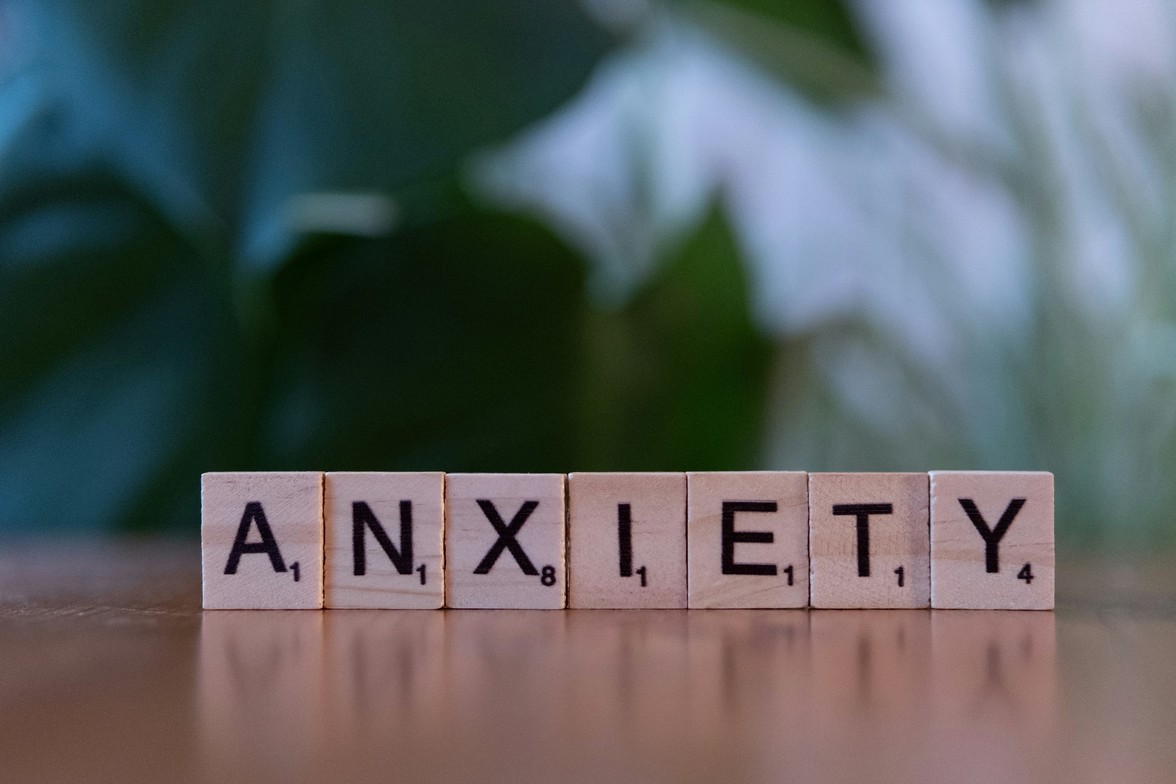
As a therapist, I hear it often: "I'm feeling anxious." And while that's a perfectly valid way to describe a momentary experience, I want to gently challenge the idea that anxiety is just a feeling, like sadness or joy. In my practice, I've come to understand anxiety not merely as a fleeting emotion that pops up and then vanishes, but rather as a profound and often pervasive state of being.
Let's unpack this.
Think about joy. You might feel a surge of joy when you hear good news, or a wave of sadness after a loss. These emotions are powerful, yes, but they tend to be reactive, tied to specific events, and relatively contained. They wash over you, and then, often, they recede, leaving space for other feelings.
Anxiety, particularly for those who struggle with it chronically, operates differently. It's less like a weather pattern that moves through quickly and more like the prevailing climate.
The Undercurrent: A Constant Companion
When anxiety is a "state of being," it's not just about the butterflies in your stomach before a big presentation. It's about a subtle, persistent hum beneath the surface of your everyday life.
- It influences perception: This state often colors how you interpret the world. A neutral comment from a colleague might be perceived as critical. A minor ache might immediately trigger catastrophic health fears. The default setting becomes "threat assessment."
- It shapes behavior: When anxiety is your operating system, you might find yourself constantly planning for worst-case scenarios, overthinking social interactions, or avoiding situations that might trigger discomfort. Your decisions become unconsciously filtered through an anxious lens.
- It impacts your body, always: Beyond the occasional rapid heart rate, being in an anxious state means your nervous system is often in a low-grade state of alert. This can manifest as chronic muscle tension, digestive issues, restless sleep, or a persistent sense of fatigue – even when you haven't done much. It's like your body is always bracing for impact, even when there's no visible threat.
- It's often "free-floating": Unlike feeling sad about something specific, the anxiety as a state can sometimes feel like it has no discernible cause. You just are anxious, and then you might frantically search for a reason. This is a hallmark of generalized anxiety.
Why This Distinction Matters
Understanding anxiety as a state rather than just a feeling is crucial for a few reasons:
- It normalizes the experience: If you feel "anxious all the time," you might think there's something fundamentally wrong with you. Recognizing it as a state of being can validate that ongoing struggle, rather than making you feel like you're failing to "snap out of" a temporary emotion.
- It shifts our approach to healing: If anxiety were just a feeling, we might just try to avoid the triggers. But when it's a state, we need to address deeper patterns – neural pathways, core beliefs, and habitual ways of responding to stress. This often involves building resilience, practicing mindfulness, re-patterning thoughts, and regulating the nervous system.
- It emphasizes self-compassion: It's hard work to navigate the world from a place of chronic anxiety. This perspective allows for greater empathy for oneself (or for others) who are living with this persistent internal climate.
Cultivating a Different State
The good news is that while anxiety can be a deeply ingrained state, it's not necessarily a permanent one. We can, with intention and practice, begin to shift that state. This isn't about eradicating every anxious feeling – that's unrealistic and, frankly, undesirable, as anxiety has its protective functions. Instead, it's about reducing the baseline level of vigilance, fostering a greater sense of safety within your own body and mind, and learning to inhabit a more calm and present state of being.
It's a journey, not a quick fix. It involves understanding your unique triggers, developing coping mechanisms, and often, exploring the deeper roots of your anxious patterns. But by reframing anxiety from a transient feeling to a deeply ingrained state, we open the door to more holistic and effective pathways toward genuine well-being.